Are you frustrated when your pet ignores the toys you buy—or worse, turns your favorite shoes into chew toys? Choosing the right pet toys is about more than just keeping your furry friend entertained. The right toys support their physical health, mental stimulation, emotional well-being, and even behavior development. In this guide, you’ll learn how to select toys that your pet will love, use playtime effectively, and strengthen your bond.
Why Pet Toys Are Essential
Pet toys do more than provide entertainment—they are crucial for your pet’s overall wellness:
- Physical Health: Toys like balls or tug ropes help pets burn energy and maintain fitness.
- Mental Stimulation: Puzzle toys and treat-dispensing toys challenge their brains, preventing boredom.
- Emotional Comfort: Plush and chew toys can soothe anxiety and provide a sense of security.
- Behavior Improvement: Pets that are mentally and physically stimulated are less likely to engage in destructive behavior.
How to Choose the Right Pet Toys
Match Toys to Size, Age, and Energy Level
Small Pets (Cats, Small Dogs)
- Lightweight balls or feather wands for cats.
- Small plush toys for tiny dogs.
- Avoid oversized toys that are hard to hold or chew.
Medium to Large Dogs
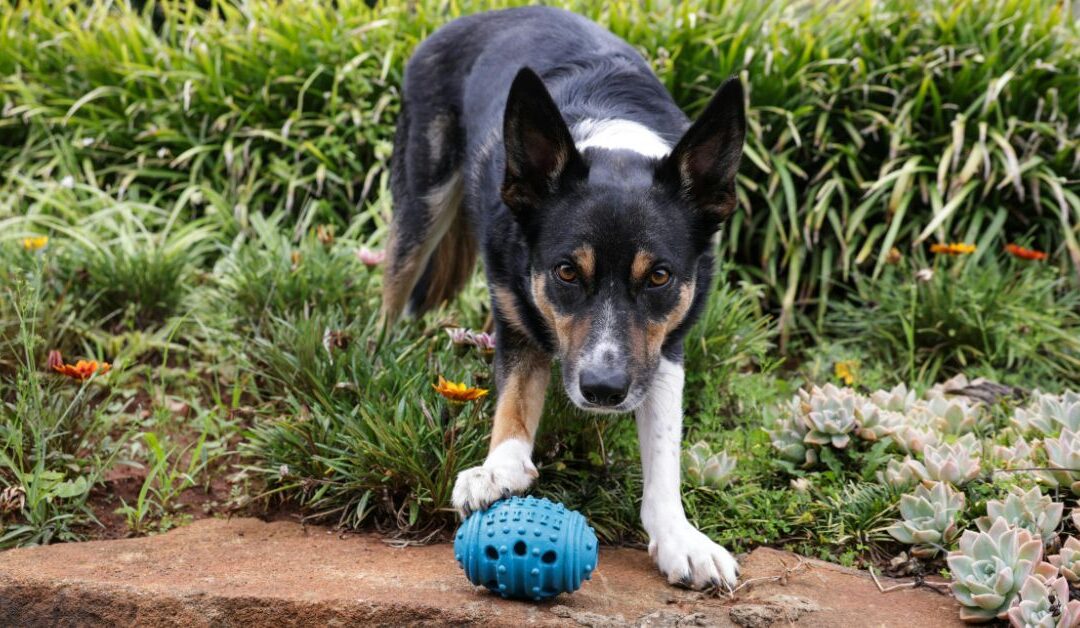
- Durable chew toys or tug ropes for stronger jaws.
- Heavy-duty balls for fetch sessions.
- Puzzle toys that release treats encourage active play.
Puppies & Kittens
- Teething-friendly soft toys.
- Gentle puzzle toys for mental stimulation without frustration.
Safety Considerations
Safety is key when selecting toys:
- Avoid toys with small parts that can be swallowed.
- Skip hard, brittle plastics that may break.
- Be cautious with strings or ropes that can be ingested.
- Always inspect toys regularly and replace frayed or damaged ones.
5 Game-Changing Tips for Successful Pet Play
1. Rotate Toys
Pets can get bored with the same toys every day. Rotate toys every few days to keep playtime exciting and engaging.
2. Use Puzzle and Treat Toys
Puzzle toys add mental stimulation, while treat-dispensing toys turn play into a rewarding challenge that keeps your pet busy.
3. Mix Soft and Tough Toys
Provide a variety: plush toys for cuddling and tough rubber toys for energetic chewing and dental care.
4. Supervised Playtime
Interactive play strengthens the bond between you and your pet. Toss a ball together or play tug-of-war for shared fun.
5. Introduce New Toy Trends
From interactive motion toys to multi-texture chew toys, introducing innovative toys keeps pets engaged, especially high-energy or highly intelligent animals.
Popular Types of Pet Toys
Puzzle Toys
Challenge your pet’s brain while rewarding them with treats. Great for boredom relief and mental development.
Chew Toys
Perfect for aggressive chewers and dental health. Chewing also reduces anxiety and helps expend excess energy.
Plush Toys
Provide comfort for anxious or senior pets. Soft toys can double as cuddle buddies for your furry friend.
Motion and Hunting Simulation Toys
Great for cats and pets with a strong prey drive. Toys that move mimic hunting behavior and keep your pet active and entertained.
Pet toys are more than fun—they’re an essential part of your pet’s health, mental wellbeing, and happiness. By choosing the right toys, rotating them regularly, and mixing play styles, you can keep your pet healthy, engaged, and happy. Remember, playtime is a chance to bond and create lasting memories with your furry friend.
Share this guide with fellow pet lovers and join our newsletter for more tips to make every day more playful for your pet.