As devoted pet lovers, we all want our furry companions to live long, healthy, and joyful lives. While a balanced diet is essential, true wellness goes beyond food. Non-digestible strategies—ranging from exercise and mental stimulation to grooming and social interaction—play a crucial role in keeping pets healthy, happy, and thriving. In this guide, you’ll discover practical tips to enhance your pet’s overall well-being without relying on diet alone.
Understanding Non-Digestible Pet Health & Wellness
What is non-digestible wellness?
Non-digestible pet health refers to all the habits, routines, and environmental factors that improve a pet’s wellbeing without involving food or supplements. This holistic approach focuses on mental, emotional, and physical health.
Benefits of non-digestible wellness:
- Supports mental stimulation and reduces anxiety
- Promotes joint and muscle health
- Enhances hygiene and skin care
- Strengthens the bond between pets and owners
1. Create a Safe and Stimulating Environment
Pets flourish in spaces that are both secure and engaging. An enriched environment prevents boredom, reduces stress, and encourages healthy behaviors.
Tips for a stimulating environment:
- Provide puzzle toys and interactive games
- Rotate toys weekly to maintain interest
- Designate a cozy corner for rest and relaxation
Stat: According to the American Pet Products Association, pets with environmental enrichment are 30% less likely to show stress-related behaviors.
2. Prioritize Daily Exercise
Exercise goes beyond physical fitness—it also enhances mental well-being. Regular activity keeps muscles strong, supports cardiovascular health, and prevents behavioral issues.
Actionable steps:
- Schedule daily walks or play sessions
- Try agility courses or climbing structures for cats
- Introduce games that challenge intelligence, like treat-hiding activities
Regular exercise not only prevents obesity but also reduces anxiety and promotes overall longevity.
3. Support Mental Health and Social Interaction
Pets need social engagement to thrive. Loneliness can lead to stress, destructive behaviors, and depression-like symptoms.
Tips to boost social and emotional health:
- Organize playdates with other pets
- Dedicate quality one-on-one bonding time
- Use positive reinforcement training to build confidence
Trend Insight: Enrichment activities and pet therapy programs are growing in popularity as owners recognize the importance of mental wellness.
4. Maintain Hygiene and Grooming
Grooming is a vital part of non-digestible wellness. Proper hygiene prevents infections, skin issues, and discomfort.
Simple practices:
- Brush fur regularly to prevent matting and hairballs
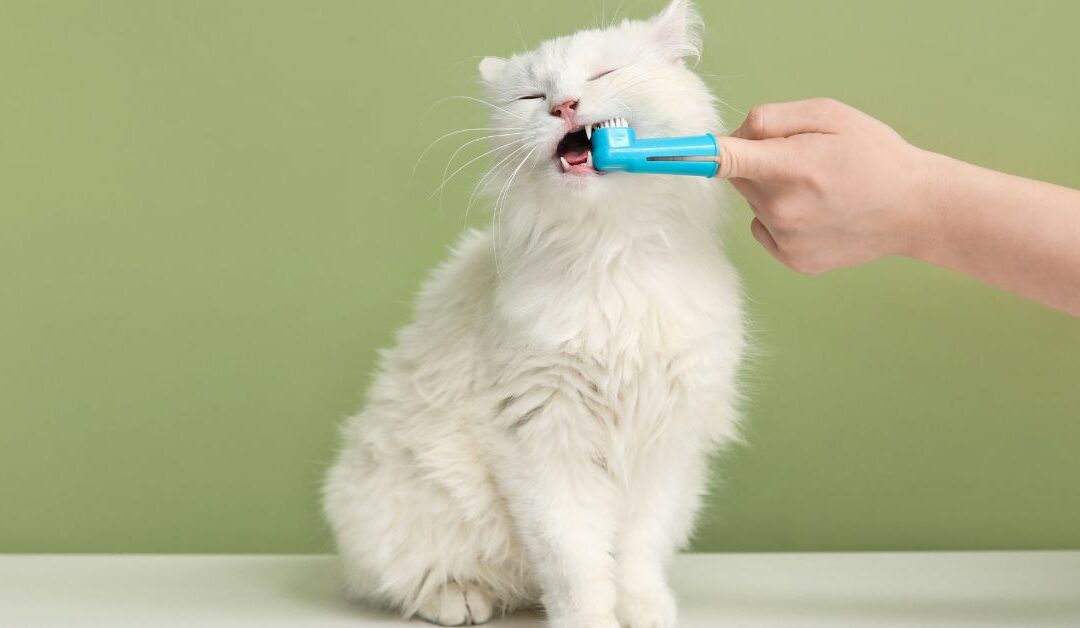
- Clean ears and teeth to avoid infections
- Bathe pets as needed, considering their breed and skin type
Fact: Regular grooming can reduce shedding by up to 50% and minimize skin irritation risks (Journal of Veterinary Science).
5. Keep Up with Routine Veterinary Care
Even non-dietary wellness relies on professional checkups. Routine vet visits ensure early detection of health issues and provide guidance for overall well-being.
Checklist for holistic wellness:
- Annual or biannual vet exams
- Vaccinations and parasite prevention
- Behavioral and mental health assessments
Combining veterinary oversight with lifestyle interventions creates a truly holistic wellness plan.
Boosting your pet’s health isn’t just about what they eat. By focusing on non-digestible wellness strategies—including environmental enrichment, exercise, mental stimulation, grooming, and veterinary care—you create a happier, healthier life for your furry friends. Start implementing these tips today and see the positive impact on your pet’s well-being. Share this guide with fellow pet lovers and join our newsletter for more expert advice on keeping pets thriving.