
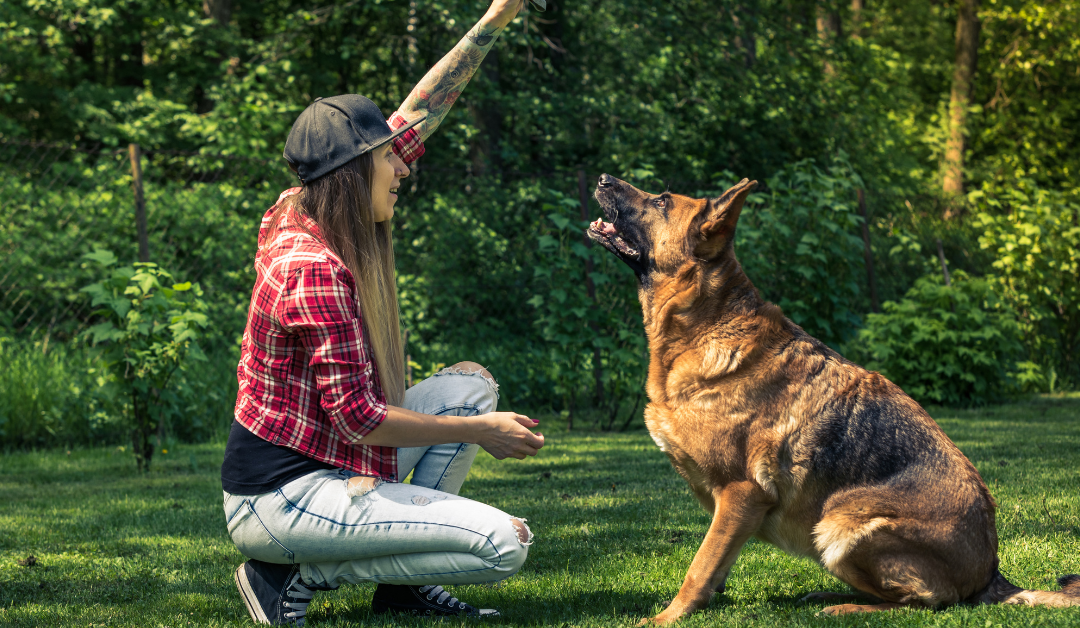
Owning a pet is one of life’s greatest joys, but anyone who has ever raised a dog or cat knows it comes with challenges. From chewing shoes to incessant barking, or even litter box issues, understanding pet behavior and training is essential for creating a happy, harmonious home. In this guide, we’ll explore practical tips and strategies to help you decode your pet’s behavior, implement effective training techniques, and build a stronger bond with your furry friend.
Understanding Your Pet’s Behavior
Why Pets Behave the Way They Do
Every pet communicates differently, but behavior is often their way of expressing needs or emotions. For example:
- Dogs may bark, whine, or dig when they are anxious or bored.
- Cats might scratch furniture or hide when stressed.
Recognizing these behaviors is the first step in effective training. Studies show that pets with structured training routines are 40% less likely to develop destructive behaviors, highlighting the importance of consistent guidance.
Reading Body Language
Learning to read your pet’s body language can prevent misunderstandings:
- Tail wagging in dogs usually signals happiness, but a stiff wag can indicate alertness or aggression.
- Cats’ ears and tail movements can indicate mood changes—from contentment to irritation.
By observing these cues, you can respond appropriately, reinforcing good behavior instead of punishing your pet for natural instincts.
Essential Pet Training Techniques
1. Positive Reinforcement
One of the most effective ways to shape behavior is through positive reinforcement. Reward your pet for good behavior with treats, praise, or playtime. For example:
- Reward your dog for sitting calmly during a visit from guests.
- Offer a treat when your cat uses a scratching post instead of furniture.
This method not only encourages repetition of good behavior but also strengthens the human-pet bond.
2. Consistency is Key
Pets thrive on routine. Establish clear rules and stick to them:
- Feeding times should be consistent.
- Commands like “sit,” “stay,” or “come” should always have the same cues and expectations.
Consistency helps pets learn faster and reduces anxiety caused by confusion.
3. Socialization and Environment
Introducing pets to different environments, people, and other animals from an early age can prevent fear-based behaviors later.
- Dogs that are well-socialized tend to show 30% fewer signs of aggression.
- Cats exposed to varied stimuli adapt better to new experiences.
Creating a safe, stimulating environment is critical for behavioral growth.
4. Understanding Problem Behaviors
Sometimes pets develop unwanted habits. Address these issues early:
- Excessive barking: Often caused by boredom or lack of attention; solve with mental stimulation toys or structured playtime.
- Chewing: Provide appropriate chew toys and remove access to forbidden items.
- Aggression or fear: Consult a professional trainer if the behavior is severe.
Tools and Resources to Support Training
- Clicker Training: A proven method that uses sound cues to mark positive behavior.
- Puzzle Toys: Encourage mental stimulation and reduce destructive tendencies.
- Training Apps: Track progress and access step-by-step guidance for specific behaviors.
Investing in the right tools makes training easier and more effective.
Effective pet training and behavior management is more than just teaching commands—it’s about understanding your pet, creating a structured environment, and fostering trust. By implementing positive reinforcement, consistency, socialization, and problem-solving strategies, you can ensure your pet grows happy, well-adjusted, and loved.
Start today by observing one behavior in your pet that could be improved, and apply one of the techniques mentioned. Your pet—and your household—will thank you.
Share this guide with fellow pet lovers or subscribe to our newsletter for more tips on nurturing happy, healthy pets.